

KEY TAKEAWAY: Knowing the right questions to ask your LASIK surgeon is the best way to walk into your Los Angeles or Orange County consultation prepared, informed, and confident — covering candidacy, technology, recovery, and cost.
From early morning surf at Huntington Beach to late-night drives along PCH, Southern California life demands vision sharp enough to match every moment. If you’re considering LASIK, chances are you’ve already imagined what that freedom looks like. Your consultation is the first real step toward it, and knowing the right questions to ask a LASIK surgeon ensures every answer you leave with is specific to you. At Excel Laser Vision Institute, Dr. Moosa personally reviews your diagnostic results, walks you through your options, and makes sure no question leaves the room unanswered. Here’s your complete guide, from how to prepare for a LASIK consultation to the 11 questions that matter most.
How to Prepare for a LASIK Consultation?
Knowing how to prepare for your LASIK consultation is as important as arriving with the right questions. A well-prepared patient benefits more from their time with Dr. Moosa, with cleaner diagnostics, precise recommendations, and a clearer path forward. Here’s what to do before you arrive:
1. Stop wearing contact lenses before your appointment. At the time of your consultation Dr. Moosa will advise the exact duration you will need to stop wearing your lenses, soft lenses or hard lenses, based on sophisticated measurements from advanced technology, such as the corneal topography.
2. Bring your current glasses prescription and recent eye exam records. This gives Dr. Moosa a clear baseline for your refractive history and helps him understand how your vision has changed over time.
3. Write your questions down in advance. The 11 questions below are a strong starting point — but if you have specific concerns about your lifestyle, career, or eye health, bring those too.
4. Disclose all medications you are taking, including prescription and over-the-counter. Certain medications can affect healing, tear production, and surgical outcomes, so full transparency matters.
5. Arrange transportation home after your consultation if your surgeon schedules same-day diagnostic testing, and certainly for your procedure day. Numbing drops are administered before surgery, so driving afterward is not an option — plan ahead so logistics don’t interfere with your appointment.
6. Arrive with realistic expectations. Dr. Moosa will set outcome benchmarks specific to your eyes and vision profile — personalized guidance that is far more meaningful than any general statistic you may have read online.
“The more prepared a patient is walking into their consultation, the more precise and personalized their results can be. Accurate diagnostics start with a settled cornea and a patient who feels ready to ask every question on their mind.” — Dr. Moosa, Excel Laser Vision Institute
11 Questions to Ask a LASIK Surgeon Before Surgery
A great consultation clarifies five things: your candidacy, your surgeon’s credentials and technology, expected risks and outcomes, recovery, and cost. Here are the 11 questions to ask your LASIK surgeon that get you there.
Am I a Good Candidate for LASIK, and How Will You Determine That?
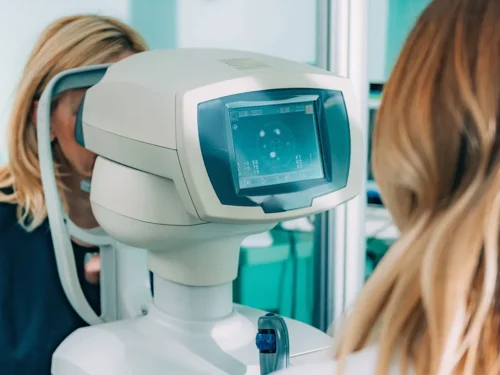
A thorough answer covers corneal thickness, prescription stability, refractive error range, and overall eye health. At Excel Laser Vision Institute, Dr. Moosa uses advanced corneal mapping and topographic imaging, not just a basic prescription check, to ensure every recommendation is tailored to your eyes. Curious about what makes an ideal candidate? Read our guide on Is LASIK Right For Me?
Are There Factors That Could Make a Different Procedure Better Suited to Me?
A great surgeon evaluates your full clinical picture and lifestyle. If you are an avid cyclist on the Santa Ana River Trail, a first responder, have thinner corneas, or chronic dry eye,SMILE eye surgery or PRK surgery may be alternatives your doctor will recommend to LASIK.
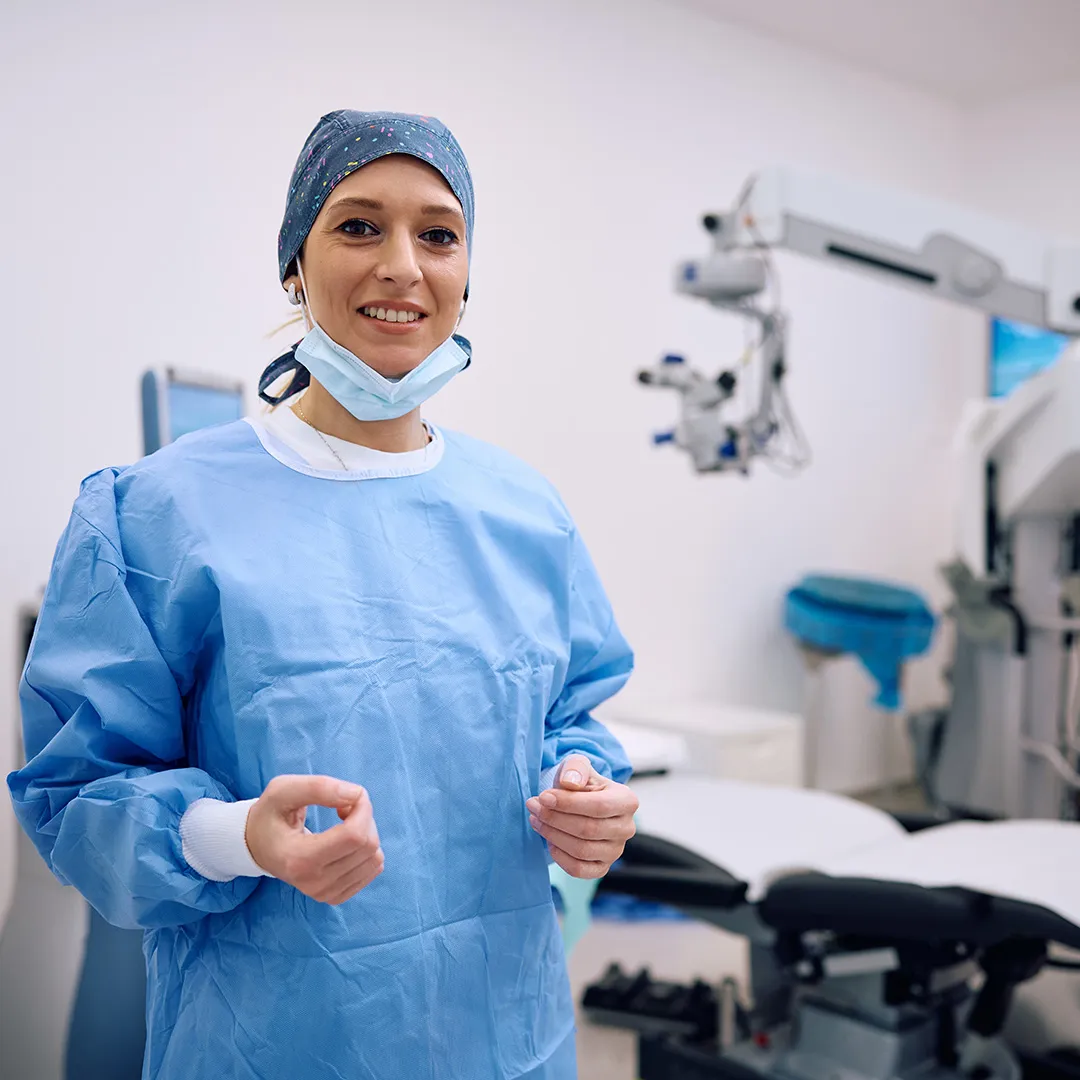
What Are Your Qualifications, and Procedure Count? Board certification, fellowship training, and procedural volume matter. Dr. Moosa is a Harvard-trained, board-certified ophthalmologist who has performed tens of thousands of LASIK eye surgery procedures in Los Angeles and Orange County. That depth of experience is what gives patients genuine confidence before they ever sit in the surgical chair.
What Technology Do You Use?
This question separates practices that truly invest in their patients from those that don’t. At Excel Laser Vision Institute, Dr. Moosa uses the VisuMax® femtosecond laser for precise, minimally invasive procedures, alongside Contoura Vision topography-guided LASIK. This customization approach is reserved for patients whose corneal profile and vision goals require an elevated level of precision, as determined through their consultation exam.
What Is Your Complication Rate, and How Do You Handle Complications?
One of the most revealing questions to ask your LASIK surgeon is about complication rates. A confident, experienced surgeon welcomes it without hesitation. Serious LASIK complications are rare, consistently reported at under 1%, but understanding how a practice monitors outcomes and responds to the unexpected tells you about their standard of care and commitment to patients beyond the procedure.
What Results Can I Expect From LASIK?
Most patients achieve 20/20 vision or better, with over 90% reaching it in clinical studies. Your surgeon should set expectations based on your prescription and corneal profile rather than quoting general statistics. Ask about long-term stability too, and what factors could influence your results over the years. Explore what to expect in our guide to How Long LASIK Lasts.
What Are the Most Common Side Effects, and How Long Do They Last?
Temporary dry eye, mild light sensitivity, and halos around lights are the most commonly reported post-LASIK side effects, and are particularly worth asking about if you spend evenings driving the Sunset Strip or catching games at Angel Stadium. These typically resolve within weeks to a few months as your eyes heal, and your surgeon should walk you through what to expect at each stage.
Will I Still Need Glasses After LASIK?
LASIK corrects your refractive error but does not prevent age-related vision changes. Patients over 40 may need reading glasses due to presbyopia, a natural lens change unrelated to their LASIK outcome. Dr. Moosa can discuss customized options like monovision for qualifying patients during your consultation.
What Does My Recovery Timeline Look Like?
Many patients forget to ask their LASIK surgeon about recovery timelines. Most notice significant vision improvement within 24-48 hours and return to daily activities within a day or two, whether that’s back to the office in Irvine or an early weekend ride along the Palos Verdes coast. Full stabilization typically takes 3-6 months, and Dr. Moosa’s team is with you at every follow-up milestone.
What Follow-Up Care Is Included, and What If I Need an Enhancement?
Post-operative follow-up visits are an essential part of your ongoing care. Ask if they’re included in your procedure cost and clarify the practice’s enhancement policy; specifically, how long after surgery enhancements are covered and what clinical criteria apply.
What Does LASIK Cost, and What Financing Options Are Available?
Ask for a clear breakdown covering pre-operative evaluations, the procedure, post-operative visits, and enhancement coverage. At Excel Laser Vision Institute, pricing is transparent and discussed in full during your complimentary consultation. If cost is a concern,LASIK financing options like CareCredit, ALPHAEON Credit, and FSA/HSA accounts can make the investment more accessible, with most approvals processed in minutes.
Ready to Ask Dr. Moosa Your Questions? Book Your Free LASIK Consultation
At Excel Laser Vision Institute, every question on your list gets a real, personalized answer from Dr. Moosa, a Harvard-trained surgeon who has guided thousands of Los Angeles and Orange County patients through this process. Whether you’re in Brea, Encino, or anywhere in the Southland, your path to visual freedom starts with a conversation. Call (310) 905-8622 or schedule your complimentary consultation online to take the first step.